waar bent u naar op zoek?

Marine exhaust silencer packing is used only where the silencer design includes an internal absorptive packing section. In marine applications, the first purchasing question should therefore be whether the exhaust is dry, wet, or a combined system with a dry section before water injection.
A dry marine exhaust silencer can use fiberglass, stainless steel wool and other high-temperature packing materials around a perforated core or behind perforated metal. A wet exhaust system operates differently: cooling water is injected into the exhaust stream, and many downstream marine mufflers use water, chambers and molded components rather than conventional fibrous muffler packing.
BSTFLEX supplies muffler and exhaust silencer packing materials for applications where internal acoustic fiber is part of the approved design. This guide explains how to specify packing for marine diesel engines, dry marine silencers and other vessel exhaust systems that use fibrous acoustic media.
The terms marine muffler and marine silencer cover several very different exhaust configurations.
| Exhaust Arrangement | What Happens in the System | Packing Purchasing Implication |
|---|---|---|
| Dry marine exhaust | Hot exhaust gas travels through metal exhaust piping without cooling-water injection in the relevant section. | An absorptive silencer may use high-temperature internal acoustic packing if specified by its design. |
| Wet marine exhaust | Cooling water is injected into the exhaust stream downstream of the engine or mixing point. | Do not assume conventional fibrous muffler packing is required. Confirm the internal construction of the wet muffler or waterlock. |
| Combined system | A dry exhaust section is by water injection and a downstream wet section. | Identify whether the packing is located in the dry section, the wet section or a separate silencer assembly. |
This distinction prevents a common purchasing error: ordering marine exhaust packing for a waterlock or wet muffler that was not designed to contain fibrous acoustic media.
In a wet marine exhaust, seawater or another engine-cooling-water stream is injected into the hot exhaust gas. This lowers downstream temperature and also contributes to sound attenuation.
The system may then include:
Many of these products use molded fiberglass-reinforced polymer or other corrosion-resistant structures and rely on water management and internal chambers rather than replaceable muffler packing.
Before quoting a marine muffler packing replacement, request a drawing, internal photograph or original specification showing that fibrous packing actually belongs inside the component.
Fibrous acoustic packing is more relevant where a marine exhaust system includes a dry absorptive silencer.
A typical absorptive section may contain:
Some larger marine diesel or auxiliary-generator exhaust systems may use absorptive and reactive sections in the same silencer.
Mark the acoustic packing region on the silencer drawing. Do not add fiber to:
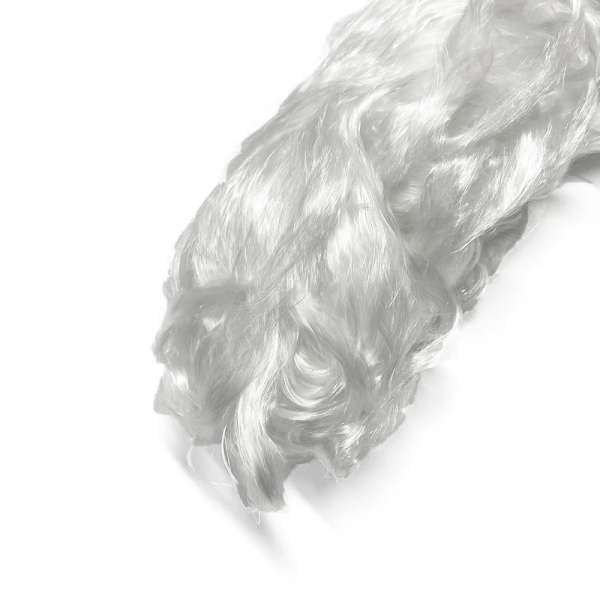
Fiberglass marine exhaust packing can be considered for a suitable dry absorptive silencer when the specified glass grade and construction match the thermal and mechanical operating conditions.
BSTFLEX offers several fiberglass supply formats:
The purchase specification should state more than fiberglass.
Define:
Marine does not automatically mean that the packing is continuously immersed in seawater.
Possible moisture conditions include:
These conditions are substantially different.
A material approved for a dry marine silencer should not automatically be assumed suitable for direct seawater contact. If water can reach the packing, provide that information during material selection and identify whether the silencer design is intended to drain and dry after operation.
Moisture can increase the measured mass of fibrous packing without increasing the quantity of dry acoustic fiber.
For OEM production and incoming inspection, specify:
Dry fiber charge
rather than relying only on:
as-received or moisture-affected total weight.
Where moisture control is relevant, the material specification should identify the agreed conditioning and weighing basis.
A used marine muffler sample can also contain condensate, soot, oil or salt deposits. Its removed weight should therefore not automatically be treated as the original manufacturing charge.
Even a nominally dry marine exhaust can experience condensation during shutdown and cooling.
Where the silencer contains drainage provisions, packing should not block:
Show these features on the drawing sent to the packing supplier.
For loose fill, define where fiber should stop relative to the drain region. For mats or fabricated packs, include the required clearance in the cut pattern or finished component dimensions.
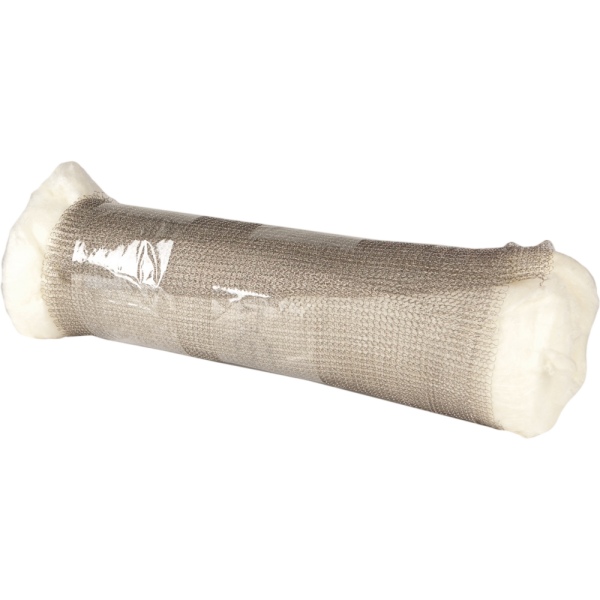
Some dry marine exhaust silencers use stainless steel wool muffler packing or a metallic-fiber layer near the perforated core.
This layer can serve a different function from the main fiberglass acoustic filling.
Specify:
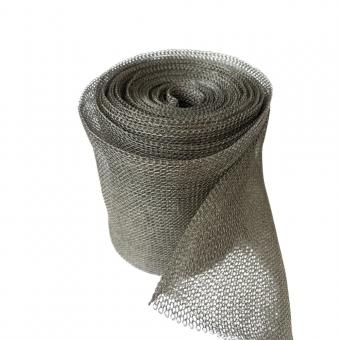
BSTFLEX supplies Stainless Steel Wool Exhaust Muffler Packing and Stainless Steel Wool Rolls for suitable exhaust packing constructions.
The word stainless does not define one corrosion behavior.
In a marine RFQ, identify the alloy of:
Do not copy an alloy designation from one constituent to another.
For example, a supporting stainless wire cloth may use one alloy while the wool uses another. The complete bill of materials should list each constituent separately.
Where saltwater exposure is possible, state that condition explicitly and have the proposed material reviewed for the actual environment.
A marine silencer may use a steel wool layer beside the perforated core and a separate metallic screen around the main packing.
The core-side layer can help protect the surrounding fiber from severe gas-side conditions.
The retaining screen helps contain the packing.
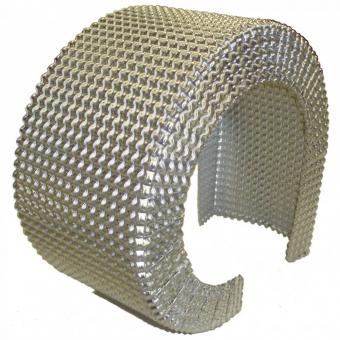
BSTFLEX supplies a Stainless Steel Exhaust Screen for Muffler Packing Retention.
For the screen, specify:
Do not treat the screen as acoustic fiber and do not count its weight as part of the dry fiberglass charge.
A propulsion engine and a marine auxiliary generator can expose the exhaust silencer to different duty cycles.
Provide:
Do not choose packing only from engine horsepower or displacement.
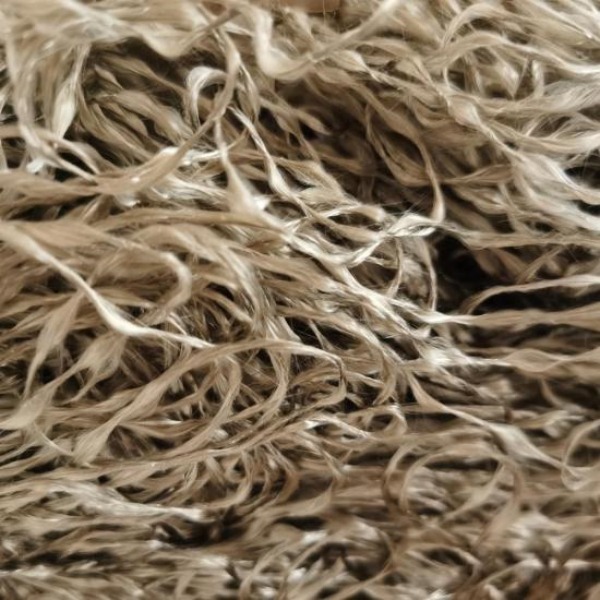
Marine exhaust temperature changes along the system.
For material review, identify whether the provided temperature is measured:
A temperature downstream of water injection should not be used as the thermal specification for an upstream dry silencer.
Likewise, a hot dry-exhaust temperature should not automatically be assigned to a downstream wet muffler.
For a cylindrical dry absorptive silencer with a centered perforated core:
V = π × (D2 - d2) × L / 4,000,000
with dimensions in millimeters, where:
Subtract structural members, partitions and other components occupying the acoustic cavity.
For oval or irregular marine silencers, use the actual drawing or CAD cross-sectional area rather than applying the circular formula.
Where an installed density has already been validated:
Dry fiber weight = net packing volume × approved installed density.
This converts an existing design requirement into a production quantity. It does not determine the correct density for a new marine silencer.
For a new design, packing quantity should be established through the silencer engineering and validation process.
Do not transfer a packing density from:
without confirming that the material, geometry and operating conditions are comparable.
Marine exhaust manufacturers may purchase packing as:
For bulk marine exhaust packing, define net package weight separately from the amount required in each silencer.
A 10 kg or 20 kg bulk package is an inventory and shipping unit. It does not establish the filling quantity of one marine muffler.
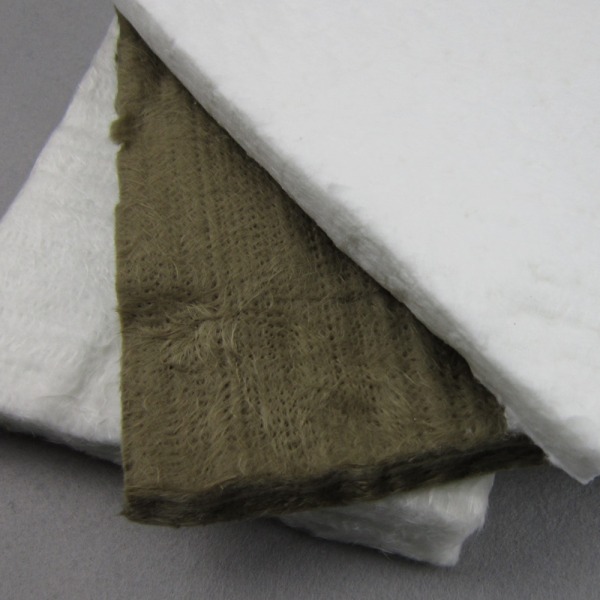
Where the same dry marine silencer is assembled repeatedly, the packing can be supplied in pre-weighed charges.
A single-charge package can identify:
This can reduce line-side weighing, but the benefit should be evaluated against the manufacturer's actual production method.
For loose fiberglass projects, review the BSTFLEX Fiberglass Loose Fill Exhaust Muffler Packing.
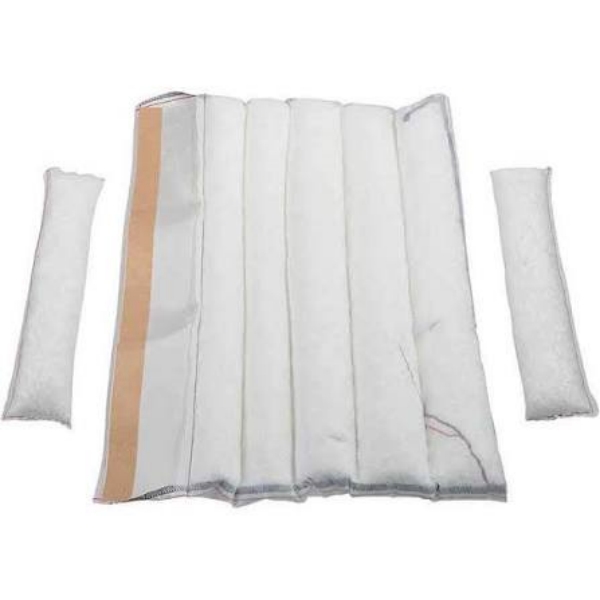
Where loose fiber handling is undesirable, a contained packing component may be considered.
The BSTFLEX Fiberglass Muffler Packing Sock with Woven Glass Mesh Bag contains fiberglass yarn inside a woven fiberglass mesh structure.
For OEM supply, specify:
Contained fiberglass packing should still be evaluated for the actual marine silencer and moisture conditions. The mesh bag itself does not establish suitability for direct seawater exposure.
| Inspection Item | What to Check |
|---|---|
| Material identity | Approved fiber family, grade and product reference. |
| Dry material quantity | Net fiber weight or component filling weight according to the approved basis. |
| Dimensions | Sheet, mat, sock or cut-component dimensions. |
| Metallic layers | Correct wool, mesh, screen and alloy specifications where required. |
| Condition | No unacceptable moisture exposure, contamination or packaging damage. |
| Traceability | Part number, lot or batch identification and required documentation. |
| Packaging | Correct package net quantity, labels and carton configuration. |
When developing a replacement packing specification from an existing silencer, document the condition before removing the old material.
Check:
Use the removed material weight as historical information only. It may no longer represent the original dry filling charge.
Fiber loss or poor acoustic performance can also result from:
Record the failure location and the surrounding construction before changing materials.
Switching to a different fiber solely because the vessel operates in a marine environment can hide the actual cause of the problem.
| RFQ Field | Information to Provide |
|---|---|
| Marine application | Propulsion engine, auxiliary engine, generator or other vessel equipment. |
| Exhaust type | Dry exhaust, wet exhaust or combined system. |
| Packing location | Dry silencer, upstream section, downstream section or another identified acoustic cavity. |
| Silencer geometry | Core dimensions, internal shell dimensions and packing-zone drawing. |
| Material | Existing approved packing or proposed fiberglass, stainless steel wool or other material. |
| Filling requirement | Dry weight, approved density or development requirement. |
| Moisture condition | Dry engine-room environment, condensate exposure, salt air, occasional water ingress or direct water exposure. |
| Temperature | Continuous and peak values with measurement location. |
| Retention system | Core wrap, stainless wool, screen, cloth or other layers. |
| Supply format | Bulk fiber, roll, mat, pre-cut piece, pre-weighed charge or contained component. |
| Commercial requirement | Sample quantity, production order, annual demand, labels and packaging. |
No. Many wet marine exhaust mufflers use water-management and chamber designs instead of conventional replaceable fibrous packing. Confirm the internal construction before ordering material.
Fiberglass can be considered where the dry absorptive silencer is designed for fibrous packing and the selected glass grade, temperature capability and retention structure are approved for the application.
Do not assume that conventional dry-exhaust packing is suitable in a wet section. Confirm the muffler manufacturer's design and the material's intended exposure before using fibrous packing where seawater can contact it.
Not every silencer does. Stainless steel wool may be used near the perforated core where the approved design requires a metallic protection layer.
No. Internal silencer packing provides acoustic media inside a suitable silencer. External exhaust insulation controls heat transfer from pipes, manifolds or silencer shells.
BSTFLEX can review bulk fiberglass, stainless steel wool, mats, pre-cut pieces, pre-weighed charges and fabricated packing components for suitable dry marine silencer projects.
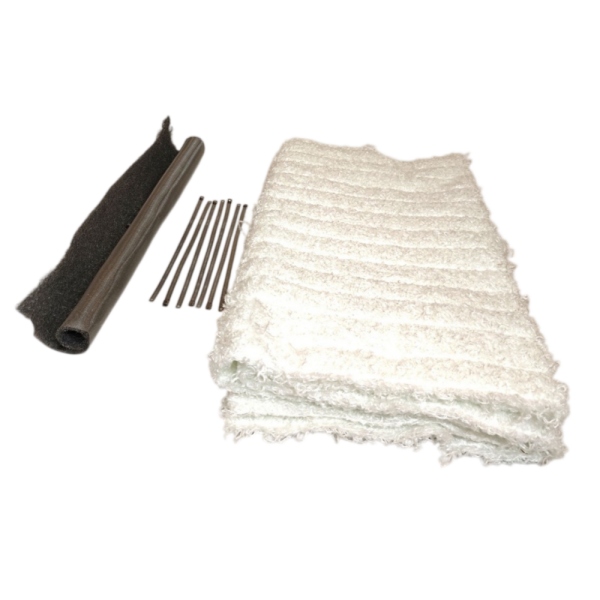
Send BSTFLEX the marine exhaust drawing, silencer cross-section, engine application, dry or wet exhaust configuration, packing-zone dimensions and existing material specification.
Where an existing packing specification is unavailable, provide photographs, an unused sample where possible and the relevant operating conditions. State clearly whether the material will remain in a dry exhaust section or may be exposed to condensate or seawater.
Drawing- and sample-based projects can be reviewed through the BSTFLEX OEM Muffler Packing Manufacturing Service. Other materials and supply formats are available in the Muffler Packing product range.
Request Marine Exhaust Silencer Packing Samples and an OEM Quote

No.10, Chuangxin North Road, Nanshan Park, Ningguo Economic and Technological Development Zone, Ningguo City, Anhui Province, China
tel/Whatsapp : 0086-15856303740
e-mail : sales@bstbraidedsleeve.com
Skype : vanesa-cheng