waar bent u naar op zoek?
Korte samenvatting: Roestvrij staal is een van de meest betrouwbare materialen voor hitteschilden van uitlaatsystemen, omdat het bestand is tegen corrosie, trillingen kan opvangen en, mits correct ontworpen, bescherming biedt tegen stralingswarmte. Deze handleiding beschrijft de verschillende soorten roestvrijstalen hitteschilden, de selectieregels en installatietips die door ingenieurs en bouwers worden gebruikt.
Waarom roestvrij staal? | Materiaalsoorten | Selectieregels | Installatietips | Veelgemaakte fouten | Veelgestelde vragen
Uitlaatsystemen combineren hoge oppervlaktetemperaturen, trillingen, thermische cycli, waternevel, blootstelling aan zout en een compacte behuizing. Een praktische oplossing. roestvrijstalen hitteschildmateriaal moet onder deze omstandigheden stabiel blijven en tegelijkertijd een beschermende luchtspleet behouden. Roestvrij staal wordt veel gebruikt voor hitteschild omdat het het volgende biedt:
In de praktijk zijn de meest effectieve methoden uitlaatwarmteschild Oplossingen bestaan meestal uit meerlaagse systemen: een roestvrijstalen buitenlaag + een isolatielaag + een gecontroleerde luchtspouw. Bij hoge warmtebronnen kan het verminderen van de warmte bij de bron nog effectiever zijn. Zie onze oplossingen voor uitlaatgasisolatie voor het regelen van de temperatuur van het turbo- en pijpoppervlak.
AFBEELDINGSSUGGESTIE #1
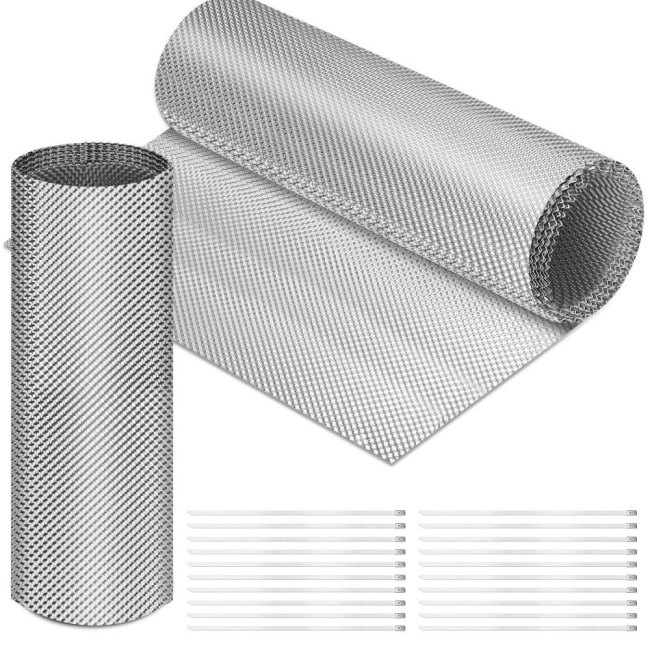
Roestvrijstalen oppervlakken met reliëf of kuiltjes helpen de micro-afstand te behouden en de stijfheid te verbeteren, wat waardevol is voor het tegengaan van trillingen onder de carrosserie. Ze worden vaak gebruikt als een buitenste "pantserlaag" of als onderdeel van een composietbarrière. Deze stijl is gebruikelijk wanneer een duurzame oplossing nodig is. hitteschild een laag die zijn vorm behoudt en de isolatie eronder beschermt.
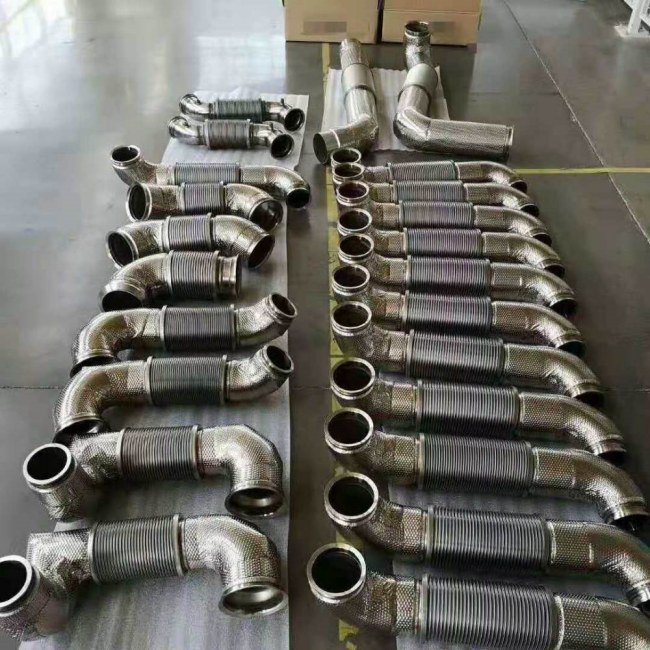
Gestanste afschermingen worden gevormd naar de geometrie van het voertuig en worden doorgaans gemonteerd met beugels, bouten of klemmen. Bij een correct ontwerp behouden ze een luchtspleet en beschermen ze nabijgelegen componenten tegen stralingswarmte. Als u op maat gesneden vormen of gevormde onderdelen nodig heeft, bekijk dan onze website. aangepaste mogelijkheden .
Bij hogere warmtebelastingen wordt roestvrij staal vaak gecombineerd met isolatie (glasvezel/silica/aerogelcomposieten, afhankelijk van de ontwerpvereisten). De roestvrijstalen laag verbetert de duurzaamheid en verwerkbaarheid, terwijl de isolatie de warmteoverdracht vermindert. Voor zones met een hoge afzuigdruk wordt afscherming gecombineerd met bronisolatie, zoals bijvoorbeeld... oplossingen voor uitlaatgasisolatie .
AFBEELDINGSSUGGESTIE #2
Gebruik deze regels om de juiste keuze te maken. roestvrijstalen hitteschildmateriaal voor uw aanvraag:
Een goed onderhouden luchtspleet maakt vaak het verschil tussen "enige verbetering" en "aanzienlijke verbetering". Roestvrij staal met reliëf of kuiltjes kan helpen om de ruimte te behouden, vooral bij krappe verpakkingen.
Hittebeschermingsplaten onder de carrosserie raken beschadigd wanneer ze vervormen, losraken of doorslijten. Kies voor een roestvrijstalen constructie en montagemethode die stevig blijft zitten. Voor bevestiging en randbescherming, hittebestendige tapes en barrières Kan, afhankelijk van de temperatuurzone, zorgen voor plaatselijke afdichting en bescherming.
Warmteafscherming beschermt aangrenzende onderdelen; bronisolatie verlaagt de temperatuur bij de bron. Voor temperatuurregeling van de turbo, downpipe of het leidingoppervlak, begin met oplossingen voor uitlaatgasisolatie Breng vervolgens roestvrijstalen afscherming aan op de plekken waar stralingswarmte moet worden tegengehouden om gevoelige componenten te beschermen.
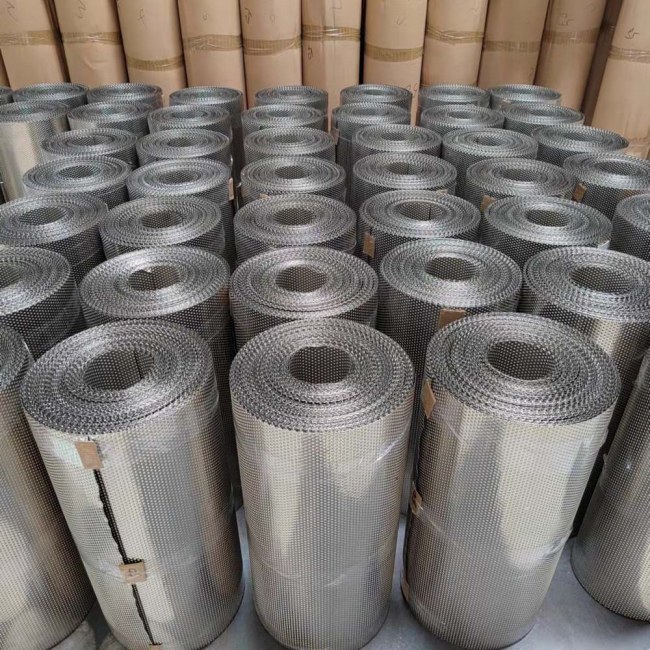
Ja. Roestvrij staal is duurzaam in omgevingen waar het voertuig zich onder de auto bevindt en is bestand tegen corrosie en trillingen. De beste resultaten worden behaald met ontwerpen die een luchtspleet behouden en meerlaagse constructies gebruiken bij hoge warmtebelastingen.
Door reliëfdruk wordt de stijfheid verbeterd en de afstand tussen de elementen behouden. Dit zorgt voor een stabielere warmteafscherming bij trillingen en temperatuurschommelingen, met name bij compacte verpakkingen.
Warmteafscherming beschermt nabijgelegen onderdelen tegen stralingswarmte. Uitlaatisolatie vermindert de warmte bij de bron. In extreme omstandigheden is een combinatie van beide de meest betrouwbare aanpak: gebruik oplossingen voor uitlaatgasisolatie en voeg vervolgens waar nodig roestvrijstalen afscherming toe.
Als slangen of bedrading dicht bij de uitlaat lopen, voeg dan speciale thermische beveiliging toe, zoals... brandwerende beschermhuls Voor plaatselijke randbescherming, gebruik geschikte hittebestendige tapes en barrières indien van toepassing.
Stuur ons uw toepassingsgegevens (temperatuur van de warmtebron, vrije ruimte, montagemethode en beoogd afschermingsgebied). Wij adviseren u een praktische afschermingsconstructie voor de uitlaat en leveren de bijbehorende technische documentatie.

No.10, Chuangxin North Road, Nanshan Park, Ningguo Economic and Technological Development Zone, Ningguo City, Anhui Province, China
tel/Whatsapp : 0086-15856303740
e-mail : sales@bstbraidedsleeve.com
Skype : vanesa-cheng