waar bent u naar op zoek?
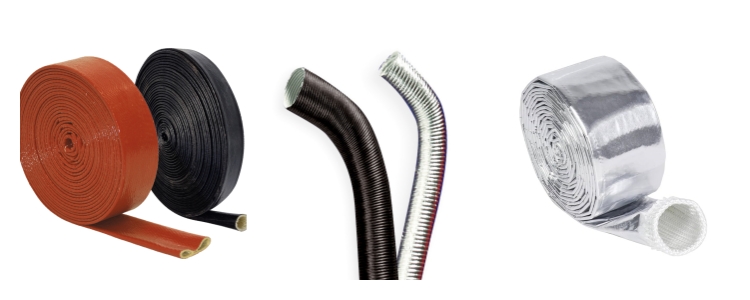
BSTFLEX produceert diverse hulsconstructies die gebruikt kunnen worden als Warmte-isolatie voor brandstofleidingen Bekijk hier alle opties: Thermische en hittebestendige beschermhuls (opties voor hittebescherming van de brandstofleiding) .
De meeste problemen met brandstofleidingen in hete zones worden veroorzaakt door een combinatie van factoren:
Selectieregel: kies uw hitteschild voor brandstofleiding gebaseerd op (1) het type warmte, (2) de speling en (3) het risico op slijtage.
Kies een reflecterende thermische huls die is ontworpen om de stralingswarmte te verminderen. Reflecterende hulzen worden vaak gebruikt voor brandstofleidingen in de buurt van uitlaatcomponenten, omdat ze de warmteoverdracht verminderen zonder onnodig veel volume toe te voegen.
Begin met de onderstaande opties: hitteschildhoes categorie .
Als de kabel langs beugels of scherpe randen schuurt, wordt slijtvastheid net zo belangrijk als thermische isolatie. Kies voor een duurzamere gevlochten kabel of een kabel met een zware hulsconstructie en bevestig de uiteinden om verschuiving tijdens warmtecycli te voorkomen.
Bekijk hier de slijtvaste opties: Thermische beschermhulzen voor de hittebescherming van brandstofleidingen .
Voor risicovolle leidingtrajecten waar brandbeveiliging vereist is, wordt een brandwerende hulsconstructie gebruikt die is ontworpen voor extreme omstandigheden. Dit wordt vaak voorgeschreven wanneer leidingen door gebieden met extreme temperaturen lopen of waar hogere eisen aan risicobeheersing gelden.
Bekijk de mogelijkheden voor brandwerende hoezen in: hitteschilden voor brandstofleidingen .
In krappe ruimtes kan een slankere hulsconstructie de beste oplossing zijn. Vermijd onnodige overdimensionering en gebruik de juiste bevestigingsmaterialen zodat de huls op zijn plaats blijft en niet tegen omliggende onderdelen schuurt.
Het beste hitteschild voor brandstofleiding Het hangt ervan af of uw voornaamste risico stralingswarmte, slijtage of brandbeveiliging is. Voor leidingen die dicht bij uitlaatgassen lopen, wordt vaak een reflecterende huls gebruikt. Voor wrijving door klemmen/beugels kiest u een stevigere, slijtvaste huls. Voor kritieke risicozones is een brandwerende hulsconstructie vereist.
Mouwen worden doorgaans op maat gemaakt aan de hand van de buitendiameter (OD) van de lijn of bundel. Selecteer een sleeve-ID die installatie mogelijk maakt zonder overmatige speling (wat kan leiden tot wrijving en verschuiving).
Meer speling is altijd beter. Bij beperkte speling is het aan te raden een hoogwaardigere busconstructie te gebruiken en deze zo te bevestigen dat hij geen scherpe randen of hete onderdelen kan raken tijdens trillingen.
Veel thermische beschermhoezen kunnen verschillende soorten leidingen beschermen, maar de beste keuze hangt af van blootstelling aan vloeistoffen, temperatuur, slijtagerisico en de omstandigheden waaronder de leidingen worden gelegd. Deel foto's en details van de leidingen voor een snelle aanbeveling.
Stuur foto's van uw routingzone (vooral in de buurt van de uitlaat/turbo), de afmetingen van de vrije ruimte en de buitendiameter van de leiding. Wij zullen u de beste oplossing aanbevelen. Warmte-isolatie van brandstofleidingen Wij leveren een snelle offerte.
Vraag een offerte aan | Bekijk de hittebeschermingshulzen voor de brandstofleiding

No.10, Chuangxin North Road, Nanshan Park, Ningguo Economic and Technological Development Zone, Ningguo City, Anhui Province, China
tel/Whatsapp : 0086-15856303740
e-mail : sales@bstbraidedsleeve.com
Skype : vanesa-cheng